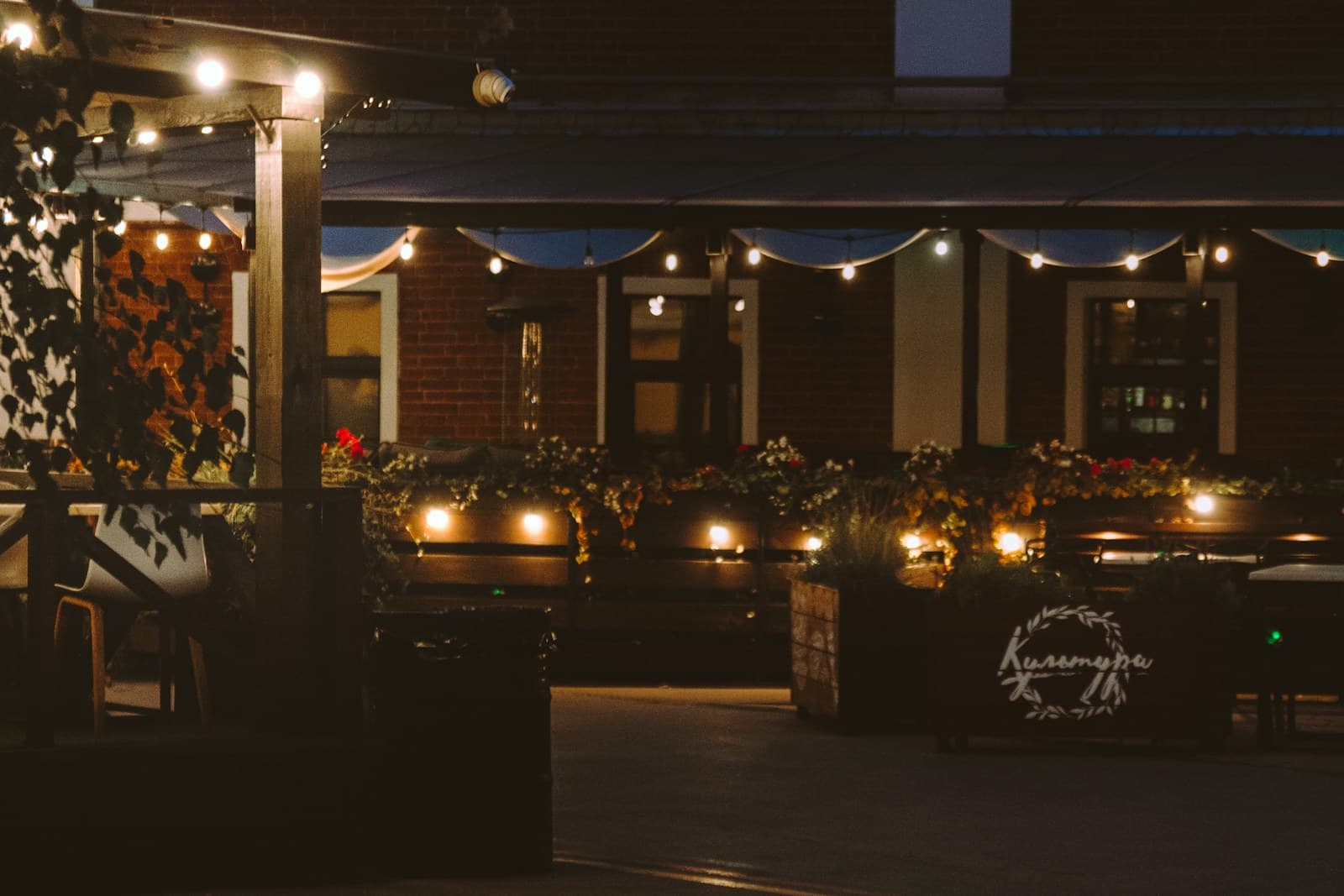
Landscape lighting, done well, is one of the highest-leverage upgrades you can make to a Placer County home. It costs a fraction of a remodel, but it changes how the property looks and feels every single evening from sundown to bedtime. The trick is that the design has to actually be designed. Stake-it-and-go work has given the category a reputation for being a little cheap, a little uniform, a little more about volume than composition. We approach it differently.
What a designer-grade plan actually looks like.
We start by walking your property at dusk. Where do you sit. Where do you walk. What does the architecture want you to notice. Which trees did the landscape architect intend you to see at evening. Which features are simply there and do not need a fixture aimed at them.
Out of that walk comes a layered plan. There is a hierarchy: focal lights for one or two specimen trees or hardscape features. Secondary uplights for boulders, walls, and mid-ground planting. Path and step lighting where it is needed for safety, with a gentle glow rather than a runway. The result is a property that has somewhere for the eye to land first, and an order to the rest.
Fixtures we actually use.
Bullet uplights for tree trunks and feature shrubs. Wide-beam well lights for stone walls and dense planting. Path lights spaced for hierarchy and feel, not at uniform intervals. Hardscape lights for retaining wall caps, deck and step risers, and pool coping. Specialty fixtures for water features and architectural details where they belong.
Beam spread, color temperature, and lumen output are specified to the location. A bullet uplight for an oak canopy is a different fixture than a bullet uplight for a six-foot olive. Color temperature is consistent across the property so the lighting reads as one composition, not a salad.
Designed for the way Placer County homes actually look.
Most properties we work on have some combination of mature oaks, decomposed granite paths, stone retaining walls, hardscape patios, pool surrounds, and a custom or semi-custom architectural language. That mix wants a specific kind of plan. Granite and stone respond beautifully to grazed light. Oaks want to be lit from below with a wider beam and a lower color temperature. Hardscape benefits from low, integrated path lighting rather than blocky stake lights.
We write plans that reflect what is actually on your property, not a template. That is part of why the work reads as designed when the lights come on.
Curb appeal, safety, and use.
Landscape lighting is doing several jobs at once. It is making the property read as composed and intentional from the curb. It is making the walks, steps, and drive safe to use after dark. It is extending the hours you actually use the patio, the pool deck, and the garden. And it is contributing meaningfully to property value when the time comes to sell.
We design with all four jobs in mind. A plan that is gorgeous from the street but unsafe at the front step has missed the brief.
Process and timeline.
A typical residential landscape lighting plan takes a single day onsite for design, two to four days for install depending on scope, and a final dusk dial-in session where we walk the property with you and adjust aim and brightness on every fixture. From signed proposal to finished install we are usually three to six weeks, depending on schedule and material lead times.